
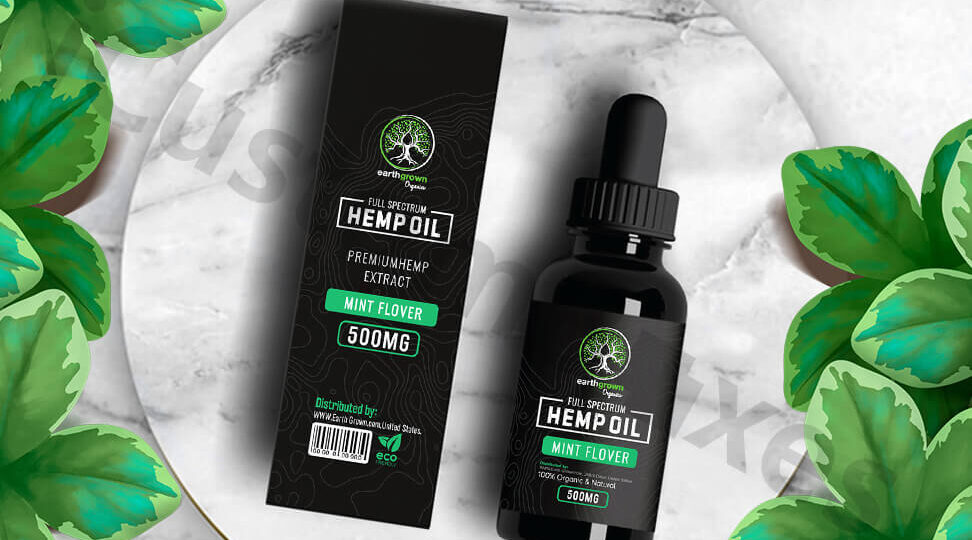
Sustainability now drives modern packaging decisions, and brands actively search for smarter ways to protect products and the planet at the same time. Hemp oil brands especially embrace eco-friendly solutions because their audiences already value natural wellness and environmental responsibility. Therefore, businesses must align their packaging with customer expectations to build trust and long-term loyalty. This article explores sustainable printing options for Hemp Oil Boxes while explaining how eco-friendly packaging strengthens branding, reduces environmental impact, and improves customer perception.
Why Sustainability Matters in Hemp Oil Packaging
Consumers increasingly demand environmentally responsible packaging. As a result, companies must rethink how they design, print, and distribute packaging. Hemp oil products connect strongly with nature, wellness, and organic living. Consequently, customers expect brands to demonstrate the same eco-conscious mindset in packaging.
Sustainable packaging supports environmental protection in several ways. First, it reduces landfill waste. Second, it minimizes harmful emissions. Third, it conserves natural resources. Moreover, eco-friendly packaging enhances brand reputation and encourages repeat purchases.
When brands invest in sustainable printing for Hemp Oil Boxes, they send a powerful message about responsibility and transparency. Therefore, sustainable printing becomes a marketing advantage as well as an environmental commitment.
Understanding Sustainable Printing
Sustainable printing refers to environmentally friendly printing techniques that reduce pollution, conserve resources, and minimize waste. Traditional printing often uses petroleum-based inks, heavy chemicals, and non-recyclable materials. However, modern sustainable printing replaces those harmful elements with greener alternatives.
Sustainable printing focuses on:
- Eco-friendly inks
- Recyclable and biodegradable materials
- Energy-efficient printing processes
- Waste reduction techniques
These strategies help companies produce Hemp Oil Boxes that protect products without harming the environment.
Choosing Eco-Friendly Materials for Hemp Oil Boxes
Sustainable printing starts with sustainable materials. Therefore, brands must select packaging materials that support recycling, biodegradability, and reuse.
1. Recycled Cardboard and Kraft Paper
Recycled cardboard offers one of the most popular materials for Hemp Oil Boxes. Manufacturers create recycled cardboard from post-consumer waste, which reduces the need for new raw materials. Consequently, this process saves trees and lowers carbon emissions.
Kraft paper also provides an excellent eco-friendly option. Manufacturers produce Kraft paper using fewer chemicals, and the material decomposes quickly. Furthermore, Kraft packaging delivers a natural, rustic appearance that perfectly matches hemp oil branding.
2. Corrugated Packaging
Corrugated packaging provides durability and sustainability at the same time. Brands use corrugated layers to protect hemp oil bottles during shipping. Additionally, customers easily recycle corrugated materials after use.
3. Biodegradable Packaging Boards
Biodegradable boards break down naturally without polluting the environment. Therefore, brands reduce landfill waste while maintaining premium packaging quality.
Sustainable Ink Options for Hemp Oil Boxes
Ink plays a critical role in sustainable printing. Traditional inks contain petroleum and release harmful volatile organic compounds (VOCs). However, eco-friendly inks provide safer and greener alternatives.
1. Soy-Based Inks
Soy-based inks rank among the most popular sustainable printing solutions. Manufacturers create these inks using soybean oil instead of petroleum. Consequently, soy inks produce fewer VOC emissions and improve recyclability.
Moreover, soy inks deliver vibrant colors and sharp graphics. Therefore, brands maintain strong visual appeal while protecting the environment.
2. Water-Based Inks
Water-based inks offer another eco-friendly solution. These inks use water as the main solvent, which significantly reduces toxic emissions. Additionally, water-based inks work well on recyclable packaging materials.
3. Algae-Based Inks
Innovative companies now develop inks from algae. These inks reduce reliance on fossil fuels while supporting renewable resources. Therefore, algae-based inks represent a promising future for sustainable packaging.
Energy-Efficient Printing Techniques
Sustainable printing does not stop at materials and inks. Companies must also improve the printing process itself. Energy-efficient printing reduces environmental impact while lowering production costs.
1. Digital Printing
Digital printing offers one of the most sustainable printing methods available today. Traditional printing requires plates, chemicals, and lengthy setup processes. However, digital printing eliminates those steps.
Digital printing reduces waste because printers produce only the required quantity. Therefore, brands avoid excess inventory and unnecessary materials.
Furthermore, digital printing supports short production runs. Hemp oil startups and small businesses benefit greatly because they can print smaller batches without waste.
2. On-Demand Printing
On-demand printing complements digital printing perfectly. Companies print packaging only when they need it. Consequently, brands avoid overproduction and reduce storage costs.
3. UV LED Printing
UV LED printing uses energy-efficient curing technology. This method consumes less electricity than traditional UV printing. Additionally, UV LED printing produces minimal heat and reduces harmful emissions.
Minimalist Design for Sustainable Packaging
Sustainability also depends on design choices. Therefore, brands must embrace minimalist packaging strategies.
1. Reduce Ink Coverage
Designers can reduce ink coverage without sacrificing aesthetics. For example, they can use simple typography, natural colors, and clean layouts. Consequently, brands use fewer resources and reduce environmental impact.
2. Limit Packaging Layers
Excess packaging increases waste and costs. Therefore, brands should eliminate unnecessary inserts, coatings, and layers. A simple yet elegant Hemp Oil Box creates a premium experience without environmental harm.
3. Use Natural Color Palettes
Natural tones such as green, brown, and beige reflect eco-friendly branding. Moreover, these colors require less ink and align perfectly with hemp oil products.
Recyclable and Compostable Finishes
Packaging finishes enhance visual appeal and durability. However, traditional finishes often contain harmful chemicals. Fortunately, sustainable alternatives exist.
1. Water-Based Coatings
Water-based coatings replace chemical laminations. These coatings protect packaging while maintaining recyclability.
2. Aqueous Coating
Aqueous coating provides a protective layer that resists smudges and scratches. Additionally, this coating supports recycling processes.
3. Compostable Lamination
Compostable lamination offers a biodegradable alternative to plastic lamination. Therefore, brands maintain premium packaging while supporting sustainability.
Reducing Packaging Waste
Waste reduction plays a major role in sustainable printing. Brands must focus on reducing material usage throughout the packaging lifecycle.
1. Right-Sized Packaging
Right-sized packaging prevents material waste. Companies design Hemp Oil Boxes that fit products perfectly. Consequently, brands avoid unnecessary fillers and reduce shipping costs.
2. Flat-Pack Designs
Flat-pack packaging reduces storage space and shipping emissions. Manufacturers ship boxes in flat form, and businesses assemble them when needed.
3. Reusable Packaging
Reusable packaging encourages customers to repurpose boxes. For example, customers can store accessories or small items in durable Hemp Oil Boxes.
Supply Chain Sustainability
Sustainable printing extends beyond production. Brands must evaluate the entire supply chain.
1. Local Manufacturing
Local manufacturing reduces transportation emissions. Therefore, brands lower their carbon footprint while supporting local economies.
2. Ethical Sourcing
Ethical sourcing ensures suppliers follow environmentally responsible practices. Companies must choose suppliers that prioritize sustainability.
Marketing Benefits of Sustainable Hemp Oil Boxes
Sustainable packaging offers strong marketing advantages. Customers prefer brands that protect the environment. Therefore, eco-friendly packaging strengthens brand identity and customer loyalty.
1. Builds Brand Trust
Customers trust brands that demonstrate responsibility. Sustainable Hemp Oil Boxes communicate transparency and authenticity.
2. Improves Customer Experience
Eco-friendly packaging creates a positive unboxing experience. Customers appreciate brands that align with their values.
3. Enhances Competitive Advantage
Sustainability differentiates brands in crowded markets. Companies that adopt green packaging stand out from competitors.
Future Trends in Sustainable Printing
Sustainable printing continues evolving rapidly. Several innovations will shape the future of Hemp Oil Boxes.
1. Plant-Based Packaging Materials
Researchers develop new plant-based packaging materials that decompose faster and perform better.
2. Smart Packaging Technology
Smart packaging integrates QR codes and digital elements. This technology reduces the need for printed inserts and manuals.
3. Carbon-Neutral Printing
Companies increasingly adopt carbon-neutral printing processes. These processes offset emissions through renewable energy and reforestation projects.
Practical Tips for Brands
Brands can start their sustainability journey with simple steps.
- Choose recycled materials.
- Use soy or water-based inks.
- Adopt digital printing.
- Reduce packaging layers.
- Work with eco-friendly suppliers.
These steps help brands create sustainable Hemp Oil Boxes without sacrificing quality.
Final Thoughts
Sustainability now defines the future of packaging. Hemp oil brands must embrace eco-friendly printing to meet customer expectations and protect the environment. Sustainable printing offers numerous benefits, including reduced waste, lower emissions, improved branding, and cost savings.
By choosing recycled materials, eco-friendly inks, energy-efficient printing, and minimalist designs, brands can create Custom Hemp Oil Boxes that reflect environmental responsibility. Moreover, sustainable packaging strengthens customer trust and supports long-term growth.
Ultimately, companies that invest in sustainable printing today will lead the packaging industry tomorrow.