
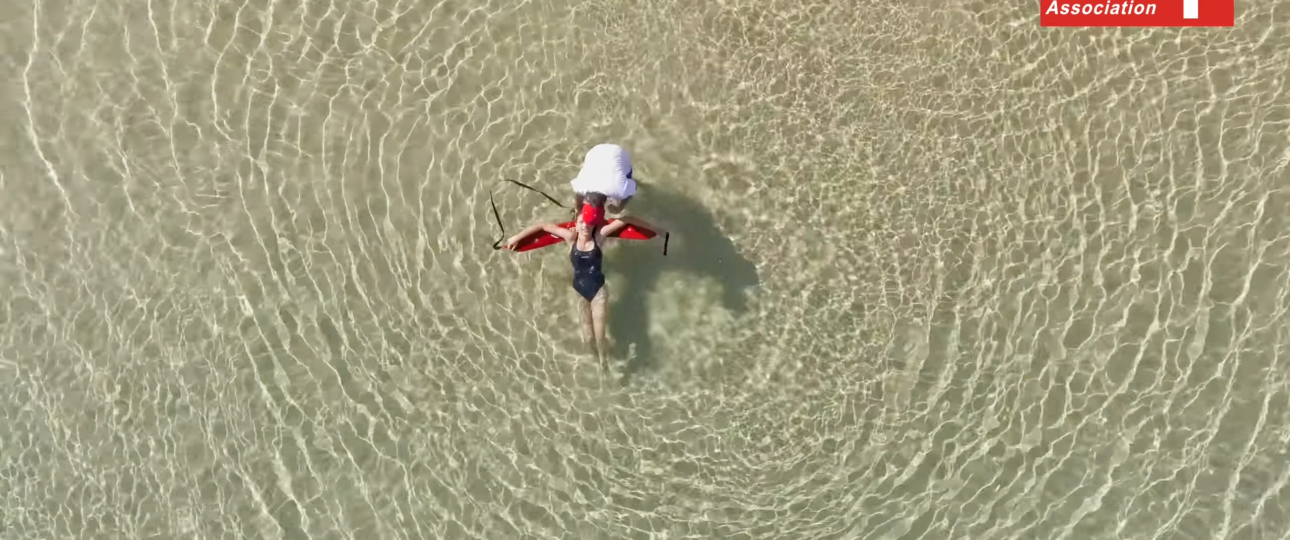
If you’ve been searching for a lifeguard course near me, you’re taking an important first step toward becoming a certified lifeguard. Lifeguard courses provide the training and skills needed to protect swimmers, respond to emergencies, and save lives in aquatic environments such as pools, beaches, parks, or resorts. This article will help you understand how to find lifeguard courses nearby, what the training includes, and why certification matters.
Why Enroll in a Lifeguard Course?
A lifeguard course teaches both the knowledge and hands‑on skills required for water safety and emergency response. Whether you’re pursuing a seasonal job or a long‑term career, completing a lifeguard course prepares you to:
- Prevent accidents and recognize hazards
- Perform water rescues effectively
- Administer CPR and first aid
- Use safety equipment like rescue tubes and backboards
- Follow emergency action plans with confidence
Many employers require lifeguard certification before hiring, and a completed course also builds confidence, leadership, and responsibility skills that benefit you both in and out of the water.
How to Find a Lifeguard Course Near You
Finding a lifeguard course near me is easier than you might think! Here are the best ways to locate available courses in your area:
1. Local Pools and Recreation Centers
Community pools, recreation facilities, and fitness centers often host lifeguard courses. They may partner with certified bodies like the American Lifeguard USA, or authorized lifeguard training providers. Contact your local pool or gym to ask about upcoming courses and enrollment details.
2. Search Online
Try searching phrases like “lifeguard course near me” or “lifeguard certification near me” in a search engine or map. Many national and local training providers list upcoming courses on their websites, making it easy to find options close to home.
3. Schools, Universities, and Colleges
High schools, colleges, and universities often offer seasonal or year‑round lifeguard training programs. Even if you’re not a student, some institutions allow community members to enroll in their classes.
4. Aquatic Safety Organizations
Organizations focused on water safety and lifesaving may offer or list lifeguard courses in your region. These include:
- National and international lifesaving associations
- Local aquatic training centers
- Summer camp training programs
5. Online + In‑Person Hybrid Courses
Some lifeguard courses include online learning for theory and in‑person sessions for hands‑on practice. This flexible option lets you complete classroom training on your own schedule while still delivering the essential practical skills you need.
What to Expect in a Lifeguard Course
Once you find a lifeguard course near you, the training typically includes several key components:
1. Prerequisites
Most lifeguard courses require you to meet basic qualifications before enrolling:
- Minimum age: Usually 15–16 years old
- Swimming ability: Demonstrated competency swimming a set distance (often 200–300 meters)
- Endurance skills: Treading water and performing basic aquatic movement
Meeting the prerequisites ensures you’re physically ready for the course.
2. Classroom Instruction
In the classroom portion, you’ll learn foundational concepts such as:
- Water safety rules and risk prevention
- Roles and responsibilities of a lifeguard
- Emergency action plans (EAPs)
- CPR, AED usage, and basic first aid
- Legal and ethical responsibilities
You’ll typically study theory through presentations, videos, and discussions.
3. Practical, Hands‑On Training
The most engaging part of a lifeguard course is the practical training, where you will:
- Practice water rescues
- Work on retrieving victims from the water
- Administer CPR on training mannequins
- Use safety equipment (for example, rescue tubes and backboards)
This portion takes place in a pool or waterfront environment and helps strengthen your emergency response skills.
4. Exams and Assessment
To complete the course successfully, you’ll need to pass:
- A written exam to test your understanding of key concepts
- A physical skills test to prove your practical lifesaving abilities
Upon passing both, you’ll receive your lifeguard certification.
Certification and Career Opportunities
After completing your course, you will receive your lifeguard certification, which is typically valid for two years. Certification often includes CPR, AED, and first aid credentials as part of the package.
With your certification, you can pursue employment as:
- Pool Lifeguard
- Beach or Waterfront Lifeguard
- Waterpark Lifeguard
- Aquatic Supervisor
- Swim Instructor
- Camp Lifeguard
Many employers across recreational facilities, resorts, hotels, and community centers require certified lifeguards, making this training a valuable credential.
Contact for Lifeguard Courses Near You
If you’re ready to start your lifeguard training or need more information on available courses, you can reach out to the following contact:
Phone: 786‑284‑8734
Address: 80 SW 8th Street, 20th Floor, Miami, FL 33130
Feel free to call or email to ask about schedules, course details, pricing, and how to enroll in a lifeguard course near you.
Final Thoughts
Finding a lifeguard course near you is a practical and rewarding decision—whether you’re aiming for a summer job, seasonal work, or a path toward a career in aquatic safety. Lifeguard training equips you with life‑saving skills, builds confidence, and opens doors to opportunities in various aquatic environments.
Start your journey today by searching for lifeguard courses in your area, contacting training providers, and signing up for a class. With proper training and certification, you’ll be ready to protect others, make a difference, and take your first step into the world of water safety.