
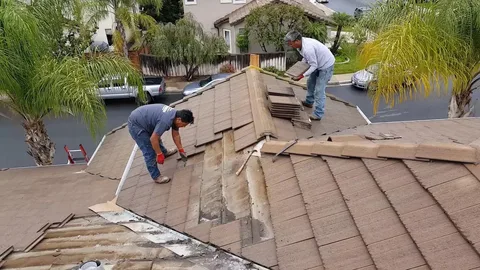
A fireplace brings warmth, charm, and comfort to any home, but the chimney system working behind the scenes requires regular attention. Weather exposure, thermal stress, and age take a steady toll on outer brickwork and inner flue liners. Addressing chimney repairs early prevents minor structural issues from becoming costly restoration projects or severe fire hazards.
Why Prompt Chimney Repairs Are Critical for Home Safety
Ignoring signs of chimney damage exposes your home to unnecessary risk. A deteriorating chimney does more than look unsightly—it compromises structural stability and indoor air quality.
-
Fire Prevention: Cracks in the flue liner allow extreme heat and stray sparks to reach combustible framing materials inside your walls.
-
Carbon Monoxide Protection: Blockages or gaps in the flue gas pathway can cause dangerous combustion gases to backdraft into living areas.
-
Structural Integrity: Unaddressed masonry cracking allows heavy water intrusion, which can lead to complete chimney collapse during severe weather.
Common Signs Your Chimney Needs Immediate Repair
Catching damage early saves money and ensures safe operation during colder months. Look out for these red flags during seasonal home inspections.
Spalling Bricks and Deteriorating Mortar
Spalling occurs when moisture enters porous brickwork, freezes, expands, and pops the outer surface off the brick. If you notice crumbling mortar joints or flaking brick fragments on your roof or driveway, the chimney’s structural envelope is degrading.
White Staining (Efflorescence)
Efflorescence appears as a chalky white coating on exterior bricks. While the salt residue itself is harmless, its presence indicates high moisture levels inside the masonry that need immediate attention.
Rust on Flue Dampers or Fireplace Accessories
Moisture inside the flue leads to premature rusting of metal components like dampers, fireboxes, and ash doors. Rusted metal signals that water is entering through a damaged cap, crown, or crown seal.
Top Causes of Chimney Structural Damage
Understanding what causes damage helps homeowners take proactive steps to extend their chimney’s lifespan.
Freeze-Thaw Weather Cycles
Water expands by roughly 9% when it freezes. In regions with frequent freeze-thaw cycles, trapped water breaks down bricks and mortar joints from the inside out, leading to widespread structural fracturing over time.
Thermal Shock and Overheating
Rapid heating during sudden hot fires subjects cold clay flue tiles to extreme thermal shock. Over time, this stress causes vertical hairline cracks in the liner, reducing draft efficiency and increasing fire risks.
Key Types of Chimney Repairs
Different types of damage require specific repair strategies. Here are the most common solutions professional masons use.
Tackling Brick Mortar Decay: The Tuckpointing Process
When mortar deteriorates faster than the surrounding brickwork, tuckpointing restores the joint integrity without needing a complete tear-down.
-
Removal: Mechanics ground out damaged mortar to a uniform depth of roughly 1/2 to 3/4 inch using diamond blades.
-
Cleaning: The exposed joints are thoroughly cleared of dust and loose debris using compressed air and water misting.
-
Application: Fresh, specially formulated mortar matching the compressive strength of the original brickwork is packed tightly into the joints.
-
Tooling: Joints are finished with specialized tooling irons to create slick, water-shedding profiles.
How Water Leaks Destroy Chimney Structures
Water is a masonry chimney’s worst long-term enemy. Once moisture breaches the outer mortar layer, damage escalates quickly.
Protecting flashing seams and applying breathable, vapor-permeable water repellents forms a necessary protective barrier against rain and snow melt.
The Importance of Professional Flue Relining
The flue acts as the inner passage that safely channels smoke, soot, and toxic gases out of your home. Older chimneys constructed without liners or built with damaged clay tile surfaces require immediate relining.
-
Stainless Steel Liners: Highly durable and suitable for wood, gas, or oil-burning systems. They feature continuous insulation blankets for better draft control.
-
Cast-in-Place Liners: Cement-like mortar pumped into the chimney stack to form a smooth, seamless inner wall while strengthening older masonry structures.
DIY Fixes vs. Professional Masonry Repairs
While simple tasks like installing a pre-made metal chimney cap fit standard DIY skills, major repairs require specialized tools and expert knowledge.
Suitable DIY Tasks
-
Attaching a standard stainless steel chimney cap or spark arrestor.
-
Applying liquid water-repellent sealer to accessible exterior brick surfaces using a low-pressure sprayer.
-
Replacing rubber boots on secondary vent pipes nearby.
Tasks Requiring Professional Mechanics
-
Repairs working at heights requiring heavy scaffolding or safety harnesses.
-
Structural tuckpointing and individual brick replacement.
-
Flue tile removal, relining, and chimney rebuilding projects.
-
Full roof line flashing replacements.
Preventative Maintenance and Protection Tips
Preventing damage is far less expensive than repairing major structural failure.
-
Schedule Annual Inspections: Have a certified professional inspect the chimney system once a year.
-
Install a Full-Coverage Cap: Keep animals, rain, and debris out by installing a heavy-gauge cap with spark arrestor mesh.
-
Apply Waterproofing Sealants: Coat exterior masonry with vapor-permeable sealants that allow internal moisture to escape while blocking liquid water.
-
Burn Seasoned Firewood: Only burn dry hardwoods to minimize sticky creosote buildup inside the flue liner.
Frequently Asked Questions (FAQs)
How often should my chimney undergo inspection?
National safety standards recommend having your chimney inspected at least once every year by a qualified professional, regardless of how often you use the fireplace.
How much do average chimney repairs cost?
Minor maintenance like crown sealing or small tuckpointing jobs typically ranges from $200 to $700. Major projects like complete flue relining or rebuilding damaged stacks above the roofline range from $1,500 to $5,000 or more, depending on scope and accessibility.
Can I run my fireplace if the flue liner is cracked?
No. Operating a fireplace with a cracked flue liner poses severe safety risks, including chimney fires and carbon monoxide leaking into your home. Have the liner repaired or replaced before lighting another fire.
Protecting Your Chimney Investment
Proactive maintenance and timely chimney repairs preserve your home’s structural integrity, protect indoor air quality, and keep your fireplace safe to use. By addressing small cracks, mortar decay, and moisture leaks early, you avoid costly emergency rebuilds and enjoy peace of mind every burning season. Schedule an annual inspection to keep your hearth running safely and efficiently for years to come.