
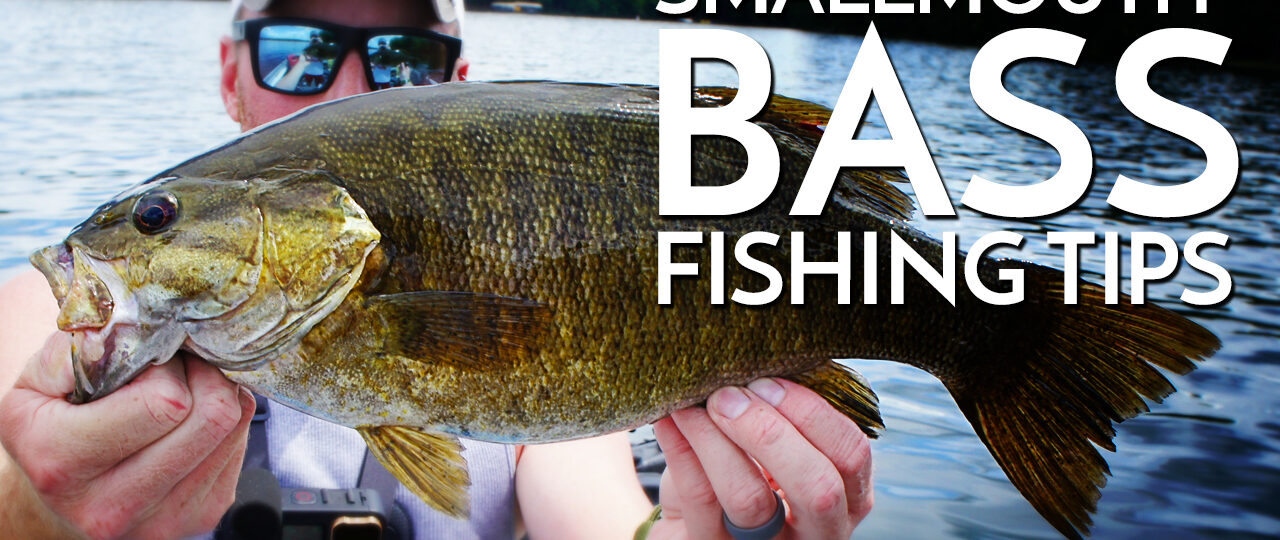
Best Setup for Heavy Smallmouth Bass and 30-Pound Lake Trout
Catching heavy smallmouth bass and large lake trout—especially fish reaching up to 30 pounds—requires a carefully balanced fishing setup that combines strength, sensitivity, and control. These species are known for their power, endurance, and aggressive fighting behavior, meaning that light or general-purpose gear often falls short. Anglers targeting these fish need equipment specifically designed to handle deep water pressure, long runs, and sudden bursts of strength.
Understanding the Target Species
Smallmouth bass are among the most energetic freshwater game fish. Even average-sized fish put up a strong fight, but larger specimens require significantly more durable tackle. They are commonly found in rocky lakes, rivers, and deep structures where they ambush prey.
Lake trout, on the other hand, are cold-water giants. In deep northern lakes, they can grow exceptionally large, with trophy specimens reaching or exceeding 30 pounds. These fish typically inhabit deep, cold zones and require specialized techniques such as jigging, trolling, or downrigging to reach their depth range.
Because these two species differ in behavior and habitat, the ideal fishing setup must be versatile yet powerful.
Rod Selection: Strength with Sensitivity
For targeting heavy smallmouth bass and large lake trout, a medium-heavy to heavy power rod is ideal. A rod length between 6’6” and 8’6” offers the right balance of casting distance and leverage.
- For smallmouth bass: A medium-heavy rod provides enough sensitivity to detect subtle bites around rocks and structure.
- For lake trout: A heavy-power rod is preferred to manage deep-water resistance and large fish weight.
A fast or extra-fast action tip is highly recommended. This ensures quick hook sets, which is essential when fishing deep or when fish strike aggressively but briefly.
Reel Choice: Strength and Smooth Drag
A high-quality spinning or baitcasting reel with a strong drag system is crucial. Look for reels with a smooth drag range between 15–25 pounds of pressure.
- Spinning reels are excellent for versatility and deep-water presentations.
- Baitcasting reels offer more control when targeting heavy cover or using larger lures.
For lake trout specifically, a reel with a large line capacity is necessary since these fish often make long, powerful runs into deep water.
Line Setup: Durability Matters
Line choice plays a critical role in landing large fish successfully.
- Braided line (30–50 lb test): Ideal for strength and sensitivity, especially when fishing deep structure or trolling.
- Fluorocarbon leader (12–20 lb test): Helps reduce visibility and adds abrasion resistance near rocky areas.
- Monofilament (10–20 lb test): Useful for trolling setups due to its stretch and shock absorption.
A braided main line combined with a fluorocarbon leader is often the most effective all-around setup.
Lure Selection and Techniques
For smallmouth bass:
- Jigs, tube baits, and crankbaits are highly effective.
- Soft plastics worked slowly near rocky bottoms produce consistent results.
For lake trout:
- Large spoons, swimbaits, and deep-diving crankbaits work best.
- Vertical jigging with heavy metal jigs is especially effective in deep water.
Trolling with downriggers or weighted lines is also a proven method for reaching deeper lake trout zones.
Final Thoughts
A successful setup for heavy smallmouth bass and 30-pound lake trout must balance strength, depth capability, and sensitivity. By combining bigfishmccall.com a strong rod, high-drag reel, and durable line system, anglers can confidently target these powerful fish in both shallow rocky zones and deep cold-water environments. Mastering the right gear not only increases catch rates but also ensures that landing trophy-sized fish becomes a realistic and rewarding experience.