
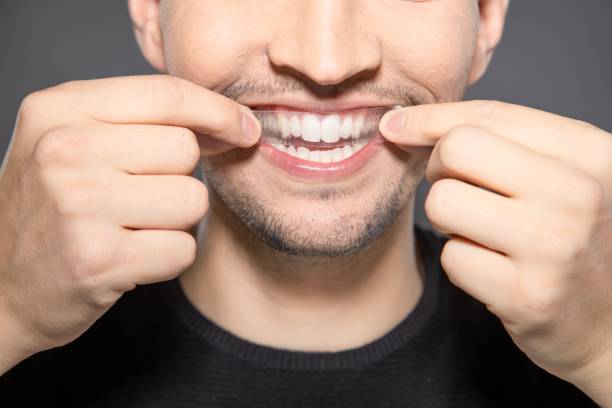
A bright smile is often associated with confidence, good oral hygiene, and overall wellness. However, everyday habits such as drinking coffee and tea, consuming colored foods, smoking, and the natural aging process can gradually reduce the natural whiteness of teeth. While traditional whitening methods have long been available, modern cosmetic dentistry has transformed smile enhancement through advanced technology. Today, Teeth Whitening in Riyadh is increasingly performed using high-tech dental solutions that combine digital diagnostics, precision whitening systems, and personalized treatment planning to achieve safer, more predictable, and natural-looking results. These innovations enable dental professionals to improve smile aesthetics while preserving the long-term health of teeth and gums.
The Evolution of Teeth Whitening Technology
Professional teeth whitening has progressed far beyond conventional bleaching techniques. Earlier whitening procedures primarily relied on standard gel applications that were often performed using similar protocols for every patient. Although these methods frequently improved tooth color, they offered limited customization and sometimes resulted in uneven whitening or temporary tooth sensitivity.
Modern cosmetic dentistry now utilizes sophisticated technology to evaluate every aspect of a patient’s smile before treatment begins. Digital imaging, shade analysis, laser-assisted whitening systems, and intelligent treatment planning allow dentists to deliver highly individualized care.
These technological advancements have significantly improved treatment precision, patient comfort, and overall cosmetic outcomes.
Understanding the Causes of Tooth Discoloration
Successful whitening begins with identifying the cause of discoloration. Teeth can become stained due to both external and internal factors that affect their appearance over time.
Extrinsic stains develop on the enamel surface through repeated exposure to coffee, tea, tobacco, red wine, soft drinks, and strongly pigmented foods. These stains gradually accumulate despite regular brushing.
Intrinsic discoloration occurs within the internal tooth structure and may result from aging, certain medications, dental trauma, developmental conditions, or excessive fluoride exposure during childhood.
Accurate diagnosis allows dentists to select the most appropriate whitening technology for each individual case.
Digital Smile Analysis Before Whitening
One of the most valuable high-tech dental solutions available today is digital smile analysis. Advanced imaging systems capture detailed photographs and digital scans of the teeth before treatment.
These technologies evaluate enamel thickness, tooth shade variations, gum symmetry, existing restorations, and facial proportions with exceptional precision. Digital shade mapping identifies subtle color differences across individual teeth, allowing clinicians to design highly customized whitening strategies.
Comprehensive digital assessment ensures that treatment improves the overall harmony of the smile while maintaining natural aesthetics.
Precision Whitening with Advanced Technology
High-tech whitening systems utilize advanced whitening agents combined with carefully controlled activation methods. Laser-assisted technology, LED light systems, and digitally monitored treatment protocols help optimize whitening performance while minimizing unnecessary exposure to whitening chemicals.
Instead of applying identical treatment to every patient, modern systems allow clinicians to adjust whitening intensity based on enamel quality, stain severity, and individual sensitivity levels.
This precision-based approach creates brighter smiles while reducing the likelihood of discomfort or uneven whitening.
Artificial Intelligence in Cosmetic Dentistry
Artificial intelligence is becoming an increasingly valuable tool in modern dental practice. AI-assisted software helps clinicians analyze smile characteristics, compare tooth shades, and support treatment planning using highly detailed digital data.
Although dentists remain fully responsible for diagnosis and treatment decisions, AI technology provides additional precision when evaluating cosmetic improvements and predicting whitening outcomes.
This combination of professional expertise and intelligent technology enhances treatment consistency while supporting personalized patient care.
Protecting Enamel Throughout the Whitening Process
One of the primary advantages of high-tech dental solutions is their emphasis on preserving enamel health. Healthy enamel provides strength, durability, and long-term protection for teeth, making its preservation an essential priority during cosmetic treatment.
Modern whitening formulations are designed to effectively break down stain molecules while minimizing unnecessary enamel dehydration. Many advanced systems also contain remineralizing ingredients that help strengthen enamel and reduce temporary sensitivity.
Continuous monitoring throughout treatment allows dentists to modify whitening intensity whenever necessary, ensuring optimal comfort and safety.
Personalized Whitening for Every Patient
Every smile has unique characteristics that require individualized treatment planning. Factors such as age, enamel thickness, previous dental work, lifestyle habits, dietary preferences, and cosmetic goals all influence whitening recommendations.
Patients with veneers, crowns, fillings, or naturally sensitive teeth often require modified treatment protocols to achieve balanced and harmonious results.
High-tech dental solutions enable clinicians to customize every stage of treatment, ensuring that whitening enhances both smile aesthetics and long-term oral health.
Improving Patient Comfort
Modern whitening technologies place significant emphasis on improving patient comfort throughout the procedure. Advanced whitening gels often include ingredients specifically formulated to reduce post-treatment sensitivity while maintaining effective stain removal.
Laser-assisted and LED systems shorten treatment times by accelerating whitening reactions under carefully controlled conditions. Shorter appointments and more efficient whitening protocols contribute to a more comfortable patient experience.
Digital monitoring further allows clinicians to adjust treatment according to each patient’s individual response, improving both safety and satisfaction.
Maintaining Long-Term Whitening Results
Achieving a brighter smile is only one part of successful cosmetic treatment. Long-term maintenance plays an equally important role in preserving whitening results.
Patients receive individualized guidance regarding oral hygiene, dietary choices, stain prevention, and routine dental examinations. Limiting frequent exposure to coffee, tea, tobacco products, and strongly pigmented foods helps prolong whitening effectiveness.
Regular professional cleanings remove surface stains before they become deeply embedded within enamel, allowing patients to maintain their brighter smiles for extended periods.
Comprehensive Cosmetic Dentistry in Riyadh
Modern dental clinics continue to integrate multiple advanced technologies that complement professional whitening procedures. Digital smile design, intraoral scanning, three-dimensional imaging, laser dentistry, AI-supported diagnostics, and minimally invasive cosmetic techniques have transformed smile enhancement into a highly personalized discipline.
Comprehensive treatment planning ensures whitening procedures align with overall dental health, facial aesthetics, and future restorative treatments if needed. Collaboration between cosmetic dentists, restorative specialists, and preventive care professionals further improves long-term patient outcomes.
This multidisciplinary approach provides patients with comprehensive care that balances cosmetic improvement with lasting oral health.
The Future of High-Tech Teeth Whitening
Innovation continues to shape the future of cosmetic dentistry. Emerging technologies are expected to provide even greater treatment precision through enhanced digital imaging, smarter whitening materials, advanced biomaterials, and increasingly sophisticated diagnostic software.
Future whitening systems may offer improved customization, shorter treatment times, enhanced enamel protection, and more accurate prediction of cosmetic outcomes. These developments will continue to improve both patient satisfaction and clinical effectiveness.
As technology advances, professional whitening will remain focused on delivering beautiful, healthy, and natural-looking smiles through evidence-based dental care.
Conclusion
Teeth Whitening in Riyadh has evolved into a highly advanced cosmetic procedure through the integration of high-tech dental solutions. Digital smile analysis, artificial intelligence-assisted planning, laser and LED whitening systems, precision shade mapping, and enamel-protective technologies allow dentists to deliver safer, more personalized, and longer-lasting results.
Rather than simply removing stains, modern whitening treatments enhance overall smile aesthetics while protecting dental health and supporting long-term confidence. By combining innovative technology with individualized care, high-tech cosmetic dentistry offers patients an effective pathway toward brighter smiles that look natural, healthy, and beautifully balanced.