
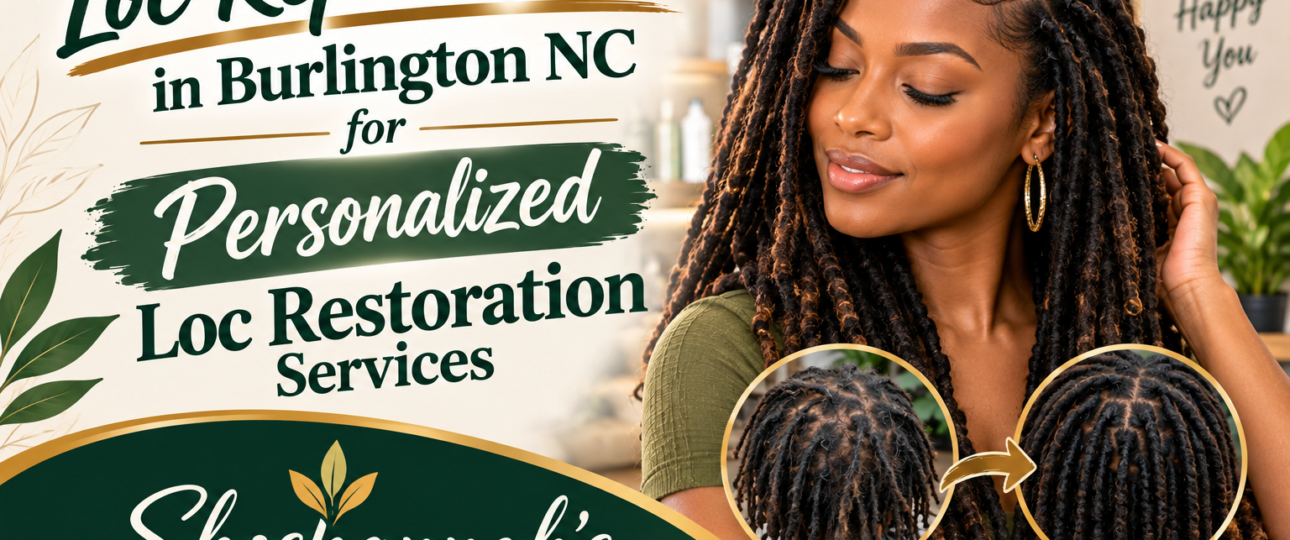
No two sets of locs experience damage in exactly the same way. One person may have thinning near the roots, while another may be dealing with breakage, unraveling, or a few locs that have become noticeably weaker. Because the cause and location of damage can vary, restoration is often most useful when it is approached according to the individual condition of the locs.
For anyone searching for a Loc repair salon in Burlington NC , understanding personalized loc restoration can help you recognize what to consider before scheduling a professional appointment.
Start With the Condition of Your Locs
Before deciding what type of restoration you need, look closely at the current condition of your locs. Are only a few locs affected, or are several areas showing signs of weakness? Is the concern concentrated around the roots, or does it extend farther down the loc?
These details can make a difference when determining how a damaged area should be approached. A loc that has gradually become thinner may require different attention from one that has experienced sudden breakage.
It is also useful to think about when you first noticed the change. Tracking how an affected loc has developed can give your loctician helpful background during an appointment.
Why Personalized Restoration Matters
A restoration service should account for the existing condition of the hair rather than treating every loc identically. Factors such as loc size, density, previous maintenance, styling habits, and the extent of damage can all influence the care approach.
Personalized attention can be particularly valuable when only certain locs are fragile. Instead of focusing unnecessarily on areas that are already in good condition, the appointment can concentrate on the concerns that require attention.
Different Concerns May Require Different Attention
| Loc Condition | Restoration Consideration |
|---|---|
| Thinning near the root | Assess the cause and surrounding hair |
| Partial breakage | Examine the damaged section and remaining structure |
| Unraveling | Determine how much of the loc has lost its form |
| Weak or fragile areas | Minimize unnecessary tension during care |
| Multiple damaged locations | Review overall maintenance and styling habits |
The table illustrates why a personalized approach can be useful. The same restoration method may not be appropriate for every type of damage.
Think About What You Want to Preserve
Restoration is not only about addressing damage. It is also about understanding what you want to retain about your existing locs.
Some clients may want to preserve their current length and appearance. Others may primarily want to improve the structure of individual locs or address areas that have become difficult to manage. Communicating these priorities before service can help establish realistic expectations.
If you have photographs showing how your locs looked before the damage occurred, they may also help explain your desired outcome. Your current hair condition should still guide the final approach.
Consider the Habits Behind the Damage
A restoration appointment can address an existing concern, but long-term care may also require looking at what contributed to the problem.
Repeated tight styling, excessive pulling, rough handling, and other forms of tension may place stress on vulnerable areas. Inconsistent care or environmental factors may also influence the appearance and condition of locs.
Think about what your normal routine looks like. If a particular styling habit repeatedly affects the same area, discussing it with your loctician can help you consider alternatives that place less stress on fragile locs.
Local Care With an Individual Focus
For clients seeking personalized loc care in Burlington, Shoshannah’s Natural Haircare provides a local option for discussing restoration needs and ongoing loc maintenance.
Before booking, consider making a short list of the concerns you want addressed. Mention whether the issue involves thinning, breakage, unraveling, or another change. You can contact the salon at (718) 515-0060 to discuss your appointment needs. Clear communication can make the restoration process more focused because your provider has a better understanding of what you have noticed and what you hope to accomplish.
What Happens After Restoration?
Restoration should not necessarily be viewed as the end of the process. Once an affected area has received professional attention, ongoing care can help you monitor its condition.
Pay attention to how the restored loc behaves during everyday activities. Avoiding unnecessary tension and handling fragile areas gently may be important considerations. Your maintenance schedule may also need to be adjusted depending on how your locs respond over time. If a previously affected area begins thinning or weakening again, mention it during a future appointment. Recurring concerns can provide useful information about your hair-care routine.
Making Your Appointment Convenient
The service location is 3075 Maple Ave, Burlington, NC 27215, United States . Planning your route in advance can make it easier to arrive on time and prepared to discuss your loc concerns.
You can also use the map location when planning your visit.
When considering a Loc repair salon in Burlington NC , location is one practical factor, but understanding your restoration needs and communicating them clearly are equally useful.
Frequently Asked Questions
1. What makes loc restoration personalized?
Personalized restoration considers the condition, location, and extent of damage in individual locs rather than automatically using the same approach for every client.
2. Can only a few damaged locs be restored?
Depending on their condition, individual damaged locs may receive focused attention without treating every loc in the same way. An assessment can help determine the appropriate approach.
3. What information should I provide before restoration?
Explain when you noticed the damage, whether it has changed, previous maintenance or styling, and what result you hope to achieve.
4. Can styling habits affect fragile locs?
Yes. Repeated tension or pulling may contribute to stress around vulnerable areas. Discussing your regular styling routine can help identify habits worth reconsidering.
5. How should restored locs be cared for later?
Gentle handling and avoiding unnecessary tension can be useful. Follow the specific aftercare recommendations provided for your locs and continue monitoring any previously damaged areas.
A More Thoughtful Approach to Loc Restoration
Damaged locs do not all need the same solution. Taking time to understand the condition of your hair, identify possible causes, and communicate your goals can help make restoration more purposeful.
For those looking for a Loc repair salon in Burlington NC , personalized care can provide an opportunity to address specific concerns while keeping your overall loc goals in mind. Consistent maintenance and thoughtful everyday habits can then support the continued care of your restored locs.