
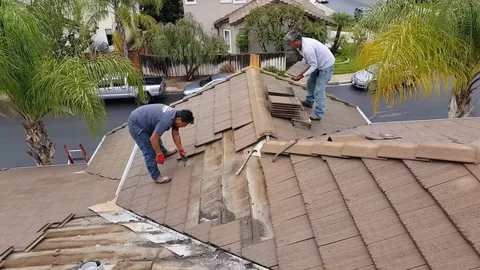
Investing in a new roof is one of the most critical home improvement projects a homeowner will ever undertake. A sturdy roof protects your structural foundation, keeps your interior safe from severe weather, lowers energy bills, and significantly boosts curb appeal. However, navigating the modern roofing market can feel overwhelming with endless material options, varying price points, and installation methods.
Whether your current system is showing its age or you are building from the ground up, this guide breaks down everything you need to know about purchasing, installing, and maintaining a new roofs.
Top Signs You Need a New Roof
Recognizing when your home needs a replacement before leaks cause internal damage can save you thousands of dollars in structural repairs.
Visible Shingle Damage
Walk around your home’s perimeter and inspect the roof surface. If you see curling, cracked, or missing shingles, the protective layer is compromised. Additionally, excessive dark granules collecting in your gutters signal that your asphalt shingles are reaching the end of their operational lifespan.
Age of Your Current Roof
Roofing systems deteriorate over time due to UV exposure and weather fluctuations. Standard asphalt shingle roofs generally last between 20 to 25 years. If your existing setup was installed over two decades ago, proactively replacing it prevents emergency leaks during harsh weather seasons.
Comparing the Best Roofing Materials
Selecting the right material depends on your local climate, aesthetic goals, and budget constraints. Each option brings distinct advantages to the table.
Asphalt Shingles
Asphalt shingles remain the most popular choice across North America due to affordability and straightforward installation.
-
Pros: Cost-effective, wide range of colors, easy to repair.
-
Cons: Shorter lifespan compared to premium materials, vulnerable to high wind damage over time.
Metal Roofing
Metal systems—such as standing seam aluminum or steel panels—have gained massive traction for modern residential homes.
-
Pros: Lasts 40 to 70 years, highly energy-efficient, fire-resistant.
-
Cons: Higher upfront cost, can be noisier during heavy rain if insulation is inadequate.
Tile and Slate Roofing
Clay tiles and natural slate represent luxury roofing options that deliver timeless beauty.
-
Pros: Exceptional durability (often lasting over 75 to 100 years), completely fireproof.
-
Cons: Heavy weight requiring structural support reinforcement, expensive upfront investment.
Key Factors Affecting the Cost of Installation
Understanding what influences your overall quote helps you budget accurately and evaluate contractor estimates effectively.
| Cost Factor | Impact on Overall Price |
| Roof Square Footage | Larger surface areas require more materials and labor hours. |
| Pitch & Slope | Steeply pitched roofs demand safety rigging and slower, specialized labor. |
| Tear-Off vs. Overlay | Removing old shingles adds disposal fees but guarantees a cleaner foundation. |
| Material Grade | Premium architectural or metal panels cost significantly more than standard 3-tab shingles. |
| Underlayment & Venting | High-grade synthetic underlayment and ridge venting increase upfront durability and overall price. |
The Step-by-Step Roof Replacement Process
Understanding what happens during installation helps set realistic expectations for timeline and noise levels.
-
Property Prep & Protection: The crew places protective tarps around landscaping, siding, and decks to catch falling debris.
-
Old System Tear-off: Workers strip old shingles and underlayment down to the wooden decking.
-
Decking Inspection & Repair: Damaged or rotted plywood boards are replaced to create a solid structural substrate.
-
Waterproof Barrier Installation: Ice and water shields are applied along eaves and valleys, followed by synthetic underlayment across the entire deck.
-
Drip Edge & Flashing: Metal drip edges and chimney/wall flashing are secured to prevent water seepage under material edges.
-
New Roof Application: Shingles or metal panels are installed according to manufacturer specifications.
-
Clean-Up & Final Inspection: A thorough magnetic sweep picks up stray nails, followed by a quality walk-through with the homeowner.
How to Choose the Right Roofing Contractor
The quality of your installation matters just as much as the quality of the materials you buy. Poor installation can void manufacturer warranties and lead to premature failure.
-
Check Licensing and Insurance: Always verify that the contractor carries active general liability insurance and worker’s compensation coverage.
-
Look for Local Experience: Local roofers understand area building codes, permit processes, and climate-specific requirements.
-
Request Detailed Written Estimates: Avoid vague quotes. Ensure the proposal details specific brand names, warranties, clean-up processes, and payment schedules.
-
Review Manufacturer Certifications: Contractors certified by major manufacturers (such as GAF, Owens Corning, or CertainTeed) can offer extended factory warranties.
Energy Efficiency and Environmental Benefits
Modern roofing technology focuses heavily on energy management. Reflective “cool roof” coatings and modern underlayment materials bounce sunlight away from your home rather than absorbing heat. This keeps attic temperatures lower during summer months, directly reducing the strain on your HVAC system and lowering monthly cooling costs.
Furthermore, choosing recyclable materials like metal or concrete tile minimizes landfill waste when the roof eventually reaches its end-of-life cycle.
Understanding Warranties and Financing Options
A quality installation should always come with protection on two fronts:
-
Manufacturer Warranty: Covers material defects for a set timeframe (ranging from 25 years to limited lifetime).
-
Workmanship Warranty: Provided directly by the contractor to cover installation errors, typically ranging from 2 to 10 years.
To manage project costs, many homeowners utilize financing plans offered directly through roofing companies, home equity loans (HELOCs), or insurance claims if the replacement is triggered by storm or hail damage.
Maintenance Tips to Extend Your Investment
Once your new structure is in place, basic routine maintenance ensures it reaches its full lifespan potential.
-
Clear Gutters Regularly: Clogged gutters trap standing water along the roof edge, leading to wood rot along eaves.
-
Trim Overhanging Branches: Keep tree limbs trimmed at least 6 to 10 feet away to prevent physical scraping and leaf accumulation.
-
Inspect After Severe Storms: Visually assess the surface after high-wind or hail events to catch localized damage early.
Conclusion
Upgrading to a new roof is a major financial commitment, but it delivers immediate peace of mind, structural security, and long-term energy savings. By selecting durable materials suited to your climate, hiring a certified contractor, and keeping up with minimal routine maintenance, your investment will protect your home for decades to come.
Frequently Asked Questions (FAQs)
How long does it take to install a new roofs?
For an average-sized single-family home (2,000 to 3,000 square feet), a professional crew can complete a full replacement in 1 to 3 days, depending on weather conditions and roof complexity.
Can you install a new roofs over an old one?
While layering new shingles over old ones (an overlay) is physically possible and saves on tear-off costs, it is generally discouraged. Overlays add weight, trap heat, shorten material lifespan, and prevent contractors from inspecting damaged decking underneath.
What is the best time of year to replace a roof?
Late summer and autumn are traditionally ideal because of mild weather and lower humidity, allowing asphalt shingles to seal properly. However, professional contractors can work year-round as long as weather conditions remain dry and safe.