
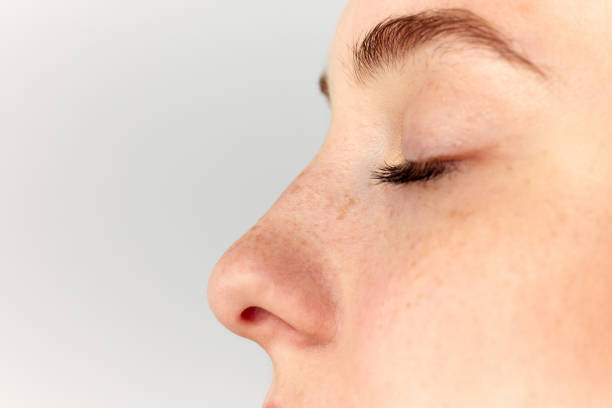
Improving the appearance of the nose has become one of the most sought-after goals in facial aesthetics. Modern cosmetic medicine offers both surgical and non-surgical options, allowing individuals to choose treatments that best match their needs and expectations. Two of the most popular procedures are rhinoplasty and nose fillers. Although both can enhance the shape of the nose, they differ significantly in terms of technique, purpose, results, recovery, and long-term outcomes.
Many people assume these procedures are interchangeable because they both improve nasal appearance. However, they address different concerns and are suitable for different types of patients. Understanding these differences is essential before making a treatment decision. Rhinoplasty in Riyadh remains the preferred option for individuals seeking permanent structural changes, while nose fillers are generally chosen for temporary cosmetic enhancements without surgery.
Understanding Rhinoplasty
Rhinoplasty is a surgical procedure designed to reshape the nose by modifying its bone, cartilage, and soft tissues. It can improve both the appearance and function of the nose, making it one of the few cosmetic procedures that also addresses medical concerns such as breathing difficulties.
The surgery is carefully planned according to each patient’s facial proportions, nasal anatomy, and personal goals. Depending on the complexity of the case, the surgeon may reduce or increase the size of the nose, refine the nasal tip, straighten a crooked nose, narrow the nostrils, or correct a deviated septum.
Because rhinoplasty changes the internal structure of the nose, the results are intended to be long-lasting.
Understanding Nose Fillers
Nose fillers, sometimes called non-surgical rhinoplasty, involve injecting dermal fillers beneath the skin to improve certain cosmetic imperfections.
Rather than changing the bone or cartilage, fillers add volume to selected areas of the nose. This additional volume can smooth small bumps, improve symmetry, or create the appearance of a straighter nasal bridge.
The procedure does not involve surgical incisions or permanent structural changes. Instead, it provides temporary cosmetic improvements that gradually diminish as the body naturally absorbs the filler material over time.
Structural Changes Versus Surface Enhancement
One of the biggest differences between the two treatments is the type of correction they provide.
Rhinoplasty changes the actual framework of the nose by reshaping bone and cartilage. This allows surgeons to address both cosmetic concerns and functional problems simultaneously.
Nose fillers, however, only modify the outer appearance by adding volume beneath the skin. They cannot remove tissue, reduce nasal size, reshape cartilage, or correct structural abnormalities.
As a result, fillers are generally best suited for small cosmetic refinements rather than major nasal reconstruction.
Permanent Versus Temporary Results
The longevity of the results is another major distinction.
Rhinoplasty provides permanent structural improvements. Once healing is complete, the new nasal shape generally remains stable, although the natural aging process continues throughout life.
Nose fillers are temporary because the injected material gradually breaks down and is naturally absorbed by the body. Patients who wish to maintain their results usually require periodic maintenance treatments.
Individuals seeking a lasting solution often choose surgery, while those interested in short-term cosmetic enhancement may prefer fillers.
Cosmetic Goals
The ideal treatment depends largely on the patient’s cosmetic objectives.
Rhinoplasty can reduce the size of a large nose, reshape the nasal tip, straighten severe crookedness, narrow wide nostrils, improve facial balance, and correct congenital or post-traumatic deformities.
Nose fillers are more appropriate for smoothing minor irregularities, improving bridge definition, disguising small dorsal humps, or creating subtle contour improvements.
Since fillers add volume rather than remove it, they cannot make a large nose appear significantly smaller.
Functional Improvements
One of the greatest advantages of rhinoplasty is its ability to improve nasal function.
Many patients undergo surgery to correct breathing difficulties caused by a deviated septum, collapsed nasal valves, previous injuries, or congenital abnormalities. By repairing these structural problems, rhinoplasty can enhance airflow while simultaneously improving appearance.
Nose fillers cannot correct internal breathing problems because they do not alter the underlying anatomy of the nose.
Patients experiencing both cosmetic and functional concerns often benefit more from surgical treatment.
Precision and Customization
Rhinoplasty offers a higher level of customization because surgeons work directly with the internal framework of the nose.
Every aspect of the nasal structure can be carefully reshaped to complement the patient’s facial proportions. Modern surgical planning considers forehead shape, chin projection, cheekbones, skin thickness, and long-term facial harmony.
Although fillers can also be customized to some extent, their ability to reshape the nose is limited by the existing bone and cartilage.
This difference makes surgery the preferred option for patients requiring comprehensive correction.
Recovery Differences
Recovery is another important factor when comparing these procedures.
Following rhinoplasty, swelling and bruising are common during the early stages of healing. Patients usually wear a protective nasal splint for a short period, while complete healing continues gradually over several months.
Nose fillers generally involve minimal downtime. Mild swelling or redness at the injection sites usually resolves within a few days, allowing patients to return to normal activities much sooner.
The shorter recovery period is one reason many people initially choose fillers before considering surgery.
Suitability for Different Patients
Not everyone is an ideal candidate for both procedures.
Patients seeking permanent correction of structural issues, significant cosmetic changes, or improved breathing are often better suited for rhinoplasty.
Individuals who desire subtle cosmetic enhancement without surgery or who wish to preview possible changes before committing to an operation may consider nose fillers.
A detailed consultation helps determine which option best aligns with the patient’s anatomy, expectations, and overall health.
Safety Considerations
Both procedures should always be performed by qualified medical professionals with extensive experience in facial anatomy.
Rhinoplasty is a surgical operation that requires careful planning, anesthesia, and a structured recovery period. Like all surgeries, it carries certain risks that are discussed during the consultation.
Although nose fillers are less invasive, they also require significant expertise. The nose contains a complex network of blood vessels, making precise injection techniques essential for patient safety.
Professional evaluation ensures that the chosen treatment is both appropriate and safely performed.
The Importance of Realistic Expectations
Regardless of the treatment selected, realistic expectations are essential for patient satisfaction.
Rhinoplasty provides dramatic structural improvements but requires patience during the healing process. Swelling gradually decreases over many months before the final results become fully visible.
Nose fillers provide immediate cosmetic improvement, but patients should understand that the effects are temporary and may require maintenance treatments.
Open communication with an experienced provider helps patients understand the benefits and limitations of each option before making a decision.
Personalized Treatment Planning
Every nose is unique, and treatment planning should always be individualized.
Factors such as skin thickness, nasal symmetry, bone structure, facial proportions, breathing function, previous injuries, and cosmetic goals all influence the most appropriate treatment approach.
During a comprehensive consultation, the surgeon evaluates these factors while discussing the patient’s expectations and desired outcome.
This personalized assessment helps ensure that the selected procedure delivers natural-looking results that complement the rest of the face.
Conclusion
Although rhinoplasty and nose fillers both improve the appearance of the nose, they serve very different purposes. Nose fillers provide temporary cosmetic enhancements by adding volume to selected areas, making them suitable for minor contour corrections without surgery. Rhinoplasty, however, permanently reshapes the bone and cartilage, allowing for comprehensive cosmetic improvements while also correcting functional problems such as breathing difficulties.
For patients seeking lasting structural changes, improved facial harmony, and long-term functional benefits, Rhinoplasty in Riyadh remains the most comprehensive treatment option. A thorough consultation with a qualified surgeon helps determine which procedure best matches each individual’s anatomy, goals, and expectations, ensuring safe treatment and natural, balanced results.